
Back to School in the UAE: Helping Children Settle, Reset and Thrive
For many UAE families, the start of this school year feels a little different.
Children are returning to classrooms after an unusual end to the previous academic year. Some finished Term 3 remotely, others completed their studies outside the country, and many families simply had to adapt quickly to circumstances they hadn’t planned for.
So while the usual back-to-school questions remain – new teachers, new classmates, homework, routines – there is another one parents may quietly be asking: Will my child be where they need to be?
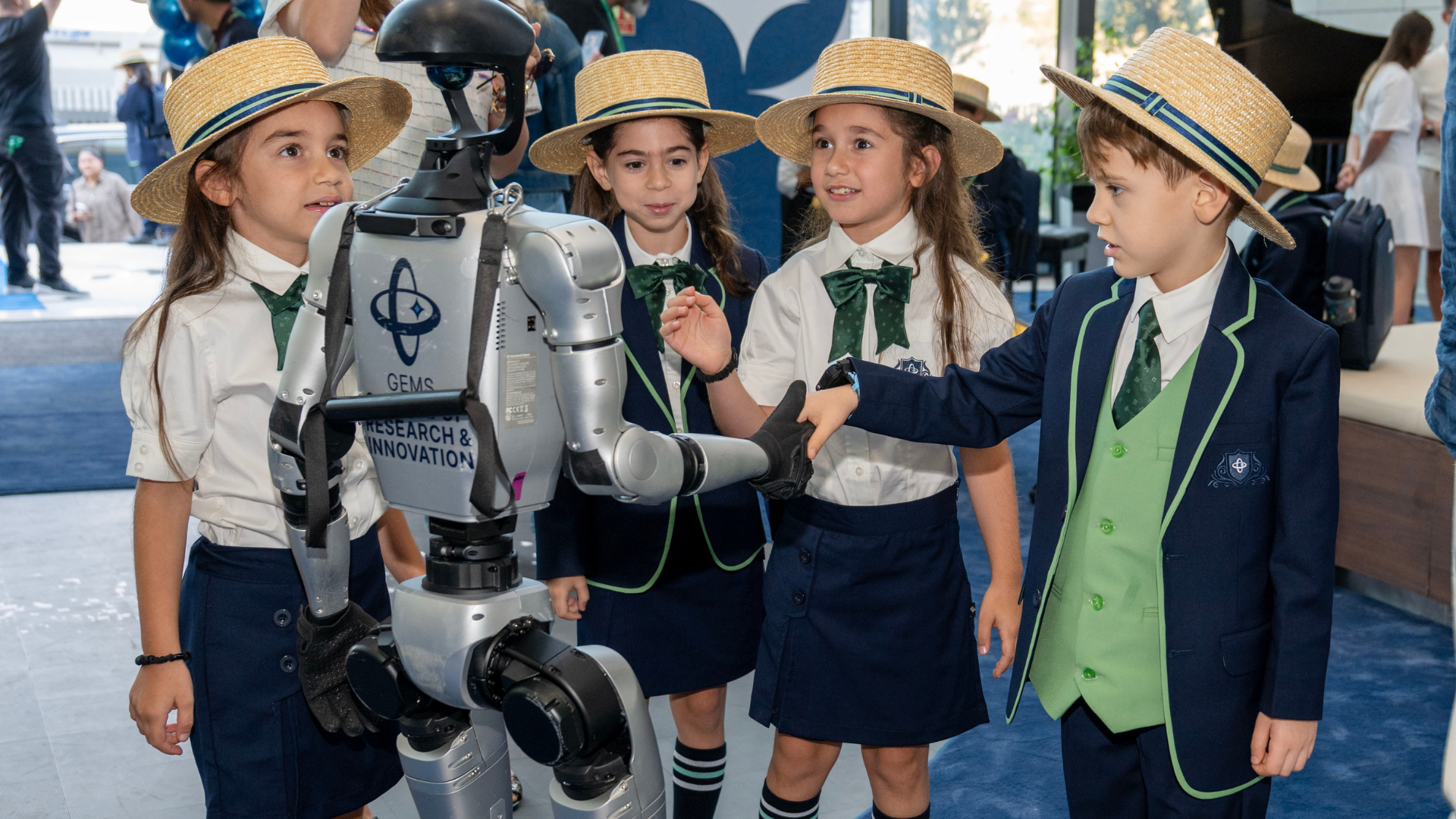
For GEMS Education, the answer isn’t about pretending every student has had exactly the same experience. It’s about recognising those differences and helping children settle back into school from wherever they are starting.
Speaking to Parenting Plus ahead of the new academic year, Lisa Crausby OBE - Group Chief Education Officer, GEMS said schools were well aware that students may be returning with very different experiences of the final term.
The priority, she says, is to understand the individual child rather than make assumptions about what they may or may not have missed.
✦ Don't panic about the ‘gap’
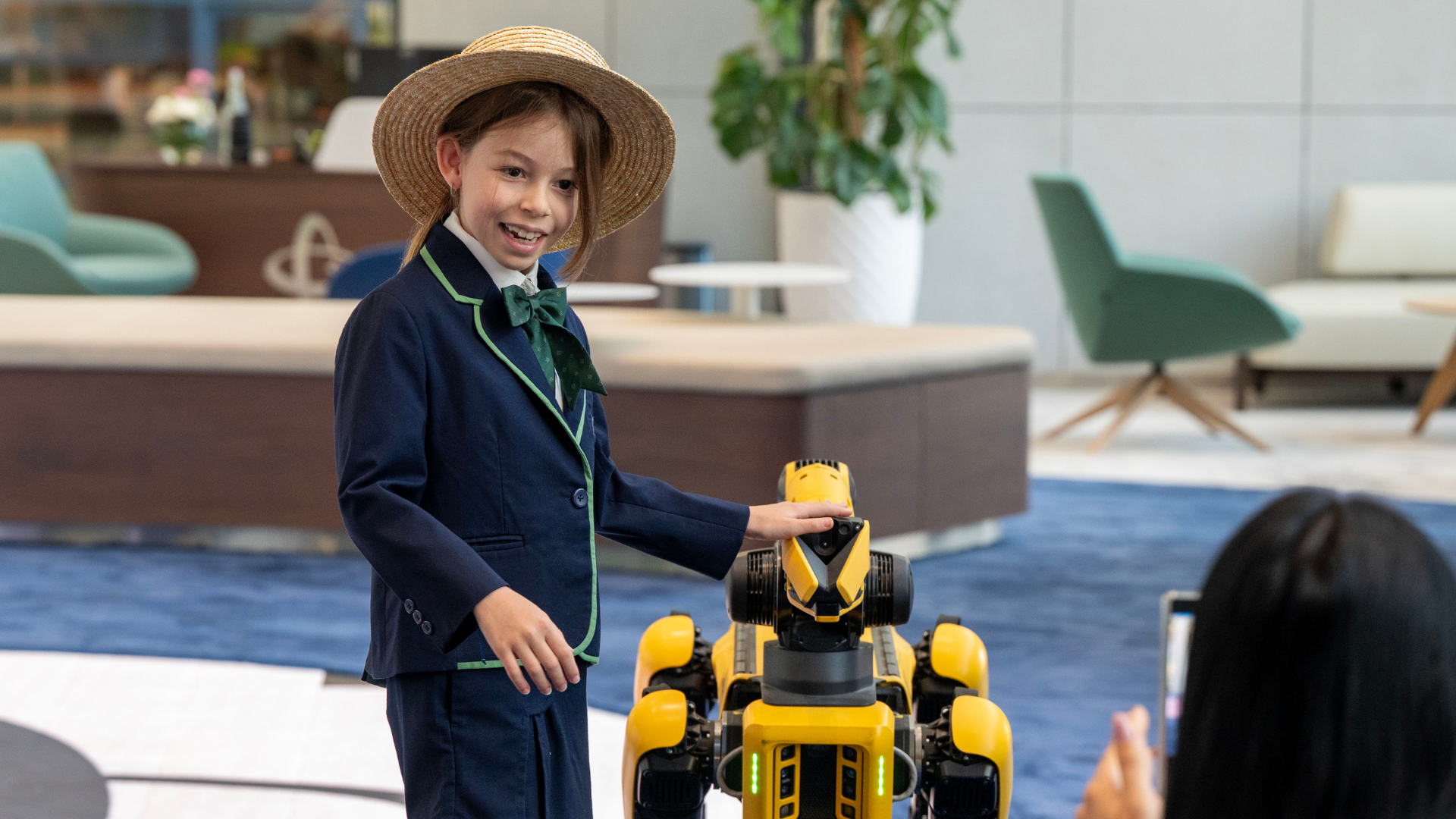
Parents are naturally prone to worrying about academic gaps, particularly when schooling has been interrupted.
But the first few weeks of a new academic year have always involved teachers working out where students are academically, socially and emotionally. This year, that process may simply matter a little more.
Children may have covered slightly different material, worked at a different pace or found some subjects easier to continue independently than others.
That doesn't necessarily mean there is a serious “gap” to fix.
Instead, teachers can use assessment, classroom observation and conversations with students to work out what needs reinforcing and where additional support may be helpful.
For parents, that can mean resisting the temptation to turn the first few weeks back into an academic catch-up marathon.
Getting children sleeping properly again, rebuilding routines, reconnecting with friends and feeling comfortable in school are important parts of getting them ready to learn too.
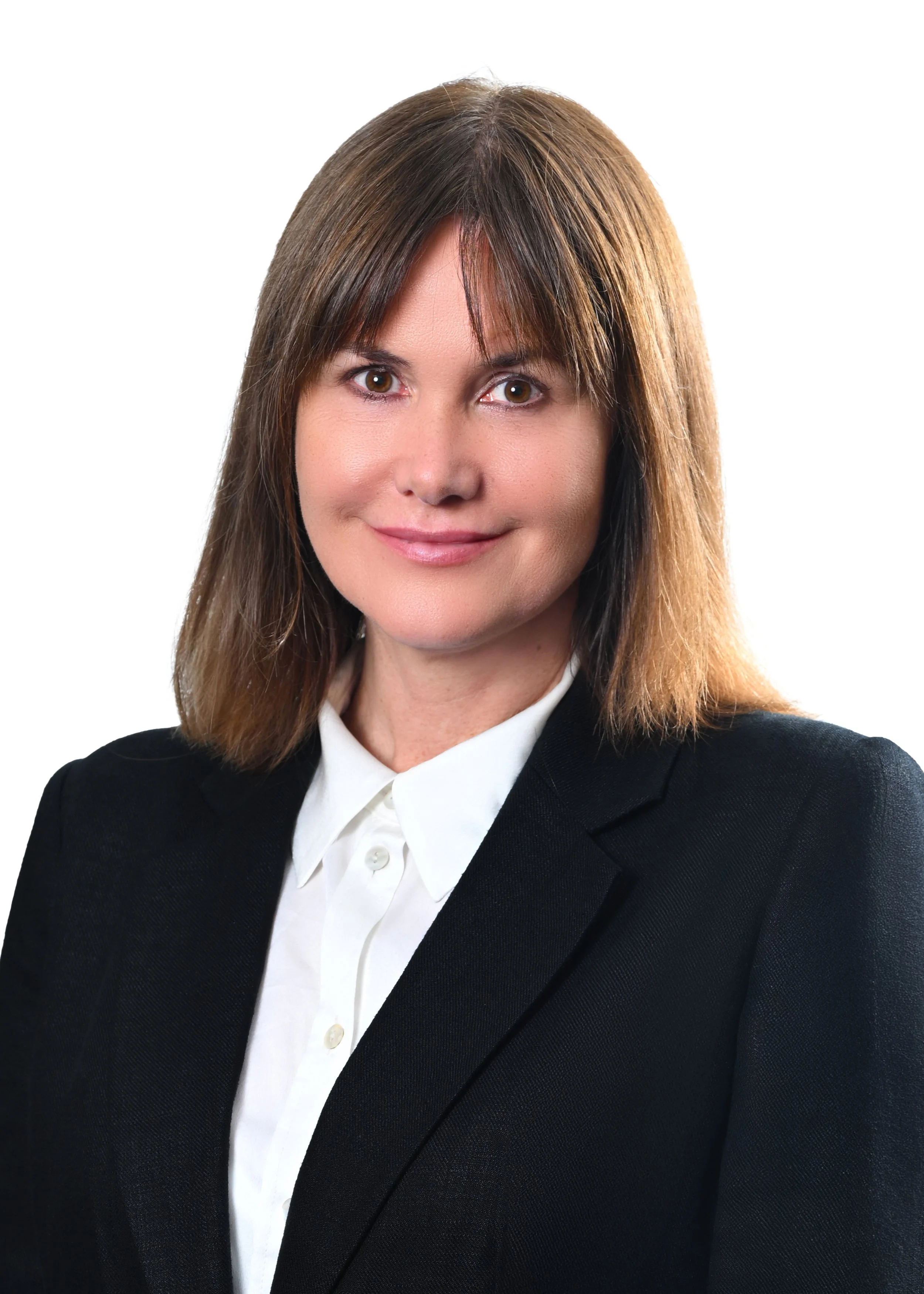
And there will certainly be plenty of new faces helping them do it.
GEMS is welcoming 1,550 new educators for the 2026/27 academic year, bringing the total number of educators across its network to more than 10,000.
Those teachers come from a workforce representing more than 112 nationalities, with GEMS saying it receives more than 500,000 job applications every year.
The numbers are big, but for a parent standing at the school gate, the more important question is what all of that means inside the classroom.
✦ Teachers still matter more than the tech
Schools are changing quickly.
Artificial intelligence is entering classrooms, children have access to more technology than any generation before them, and educators are increasingly being asked to prepare students for careers that may look very different by the time today's primary-school children enter the workforce.
GEMS says it is expanding its use of technology, AI-enabled approaches and future-focused learning across its schools.
But its message at the beginning of this academic year is also a reassuringly old-fashioned one: teachers still matter enormously.
The group says investment in educators remains central to its education strategy, not only recruiting teachers, but keeping and developing them.
More than 3,000 GEMS employees have now worked within the organisation for over a decade, while more than 40 per cent of principal appointments over the past 12 months have come from within GEMS itself.
That continuity can be particularly important to families. Children may not care much about recruitment statistics or leadership pipelines, but they certainly notice when they have teachers who know the school, understand its community and want to stay.
And while AI may change how children research, practise and even demonstrate what they know, Crausby’s emphasis remains on preparing children more broadly for the world ahead.
Academic results matter. But so do confidence, communication, adaptability, character and the ability to use what you have learned outside an exam paper.
✦ Parents are part of the equation
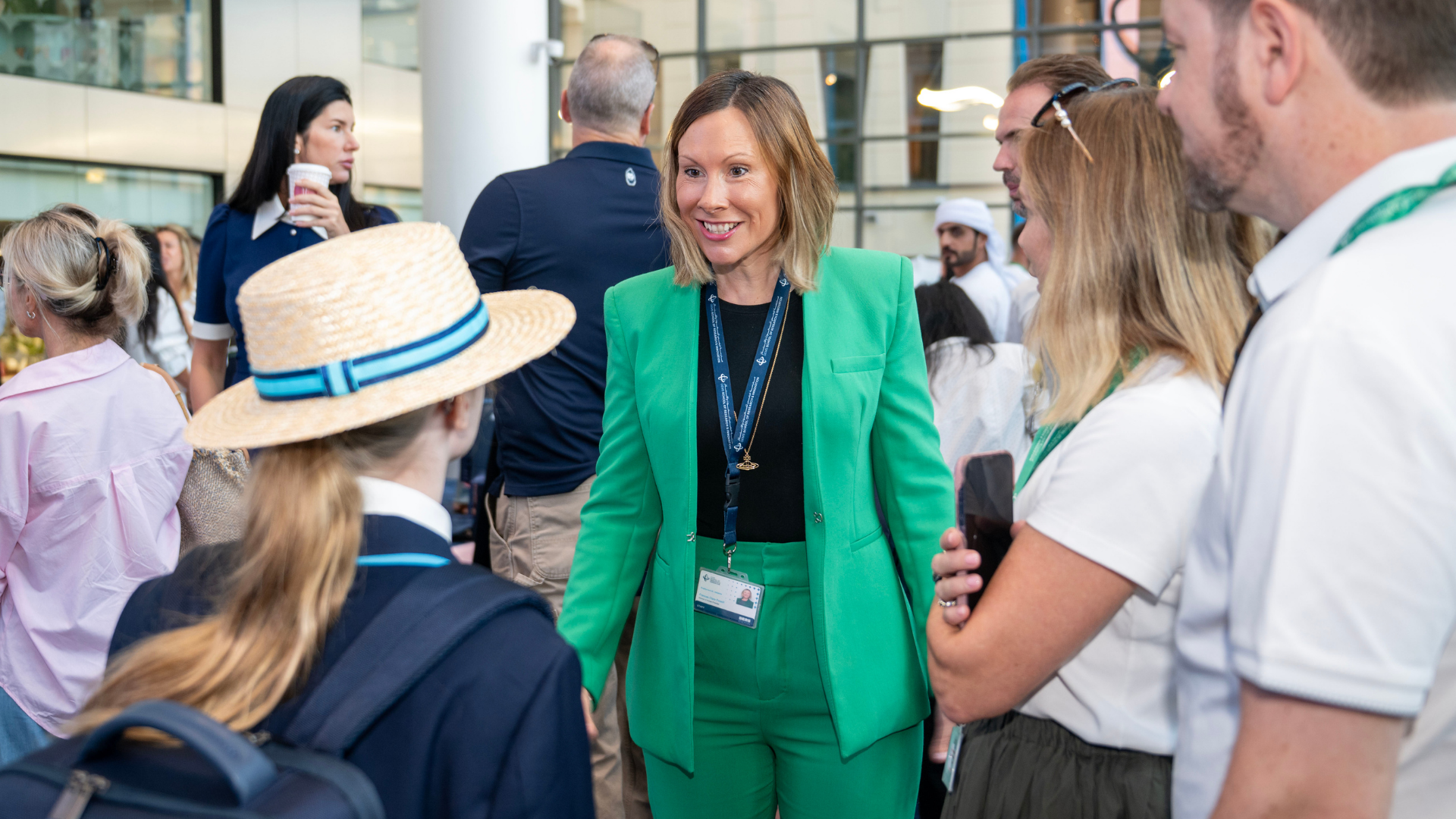
There was another message that came through strongly at this year's GEMS Awareness Day, where the new cohort of teachers and school leaders gathered before the start of term.
The theme was Family First.
It may sound obvious that parents and schools should work together, but anyone who has ever missed an email buried beneath 14 school notifications knows that the relationship isn't always seamless.
And partnership needs to mean more than schools sending information and parents receiving it.
For children, particularly after a period of disruption, the adults around them need to be sharing what they are seeing.
A child who seems perfectly settled at school may be anxious at home. Another who tells their parents that they “don't understand anything” may actually be doing well in class but struggling with confidence. Teachers see one part of the picture; families see another.
Bringing those two views together allows schools to respond earlier and more effectively.
For parents worried about how their child is adjusting, that means communication is important, but so is perspective. Not every difficult morning signals a major problem, and not every wobble requires immediate intervention.
Sometimes children simply need time to find their rhythm again.
✦ A reset, rather than a race
There are encouraging signs as the new year begins.
GEMS says it has already secured around 95 per cent of its targeted student places for 2026/27 through new registrations and re-enrolments, suggesting families are moving into the school year with confidence despite the challenges of recent months.
But perhaps the most useful message for parents isn't contained in any statistic.
Children do not all return to school at exactly the same starting line.
Some will walk through the gates desperate to see their friends. Others will take longer to settle. Some will fly academically from the first week; others may need concepts revisited after the summer and the disrupted term that came before it.
That is precisely why the relationship between children, teachers and families matters.
After an extraordinary few months, this school year doesn't have to begin with a frantic attempt to “catch up”.
It can begin with something simpler: finding out where each child is, giving them the support they need and allowing them to move forward from there.
