
How Air Maniax and Street Maniax are giving UAE students a head start at work
For many teenagers and university students in the UAE, getting a first job while still studying is still relatively unusual.
Air Maniax and Street Maniax are giving young people their first real foothold in the workplace.
Across their UAE venues, the brands employ eligible students in part-time roles that offer far more than a line on a CV: real responsibility, customer-facing experience and the independence that comes with earning their own money.
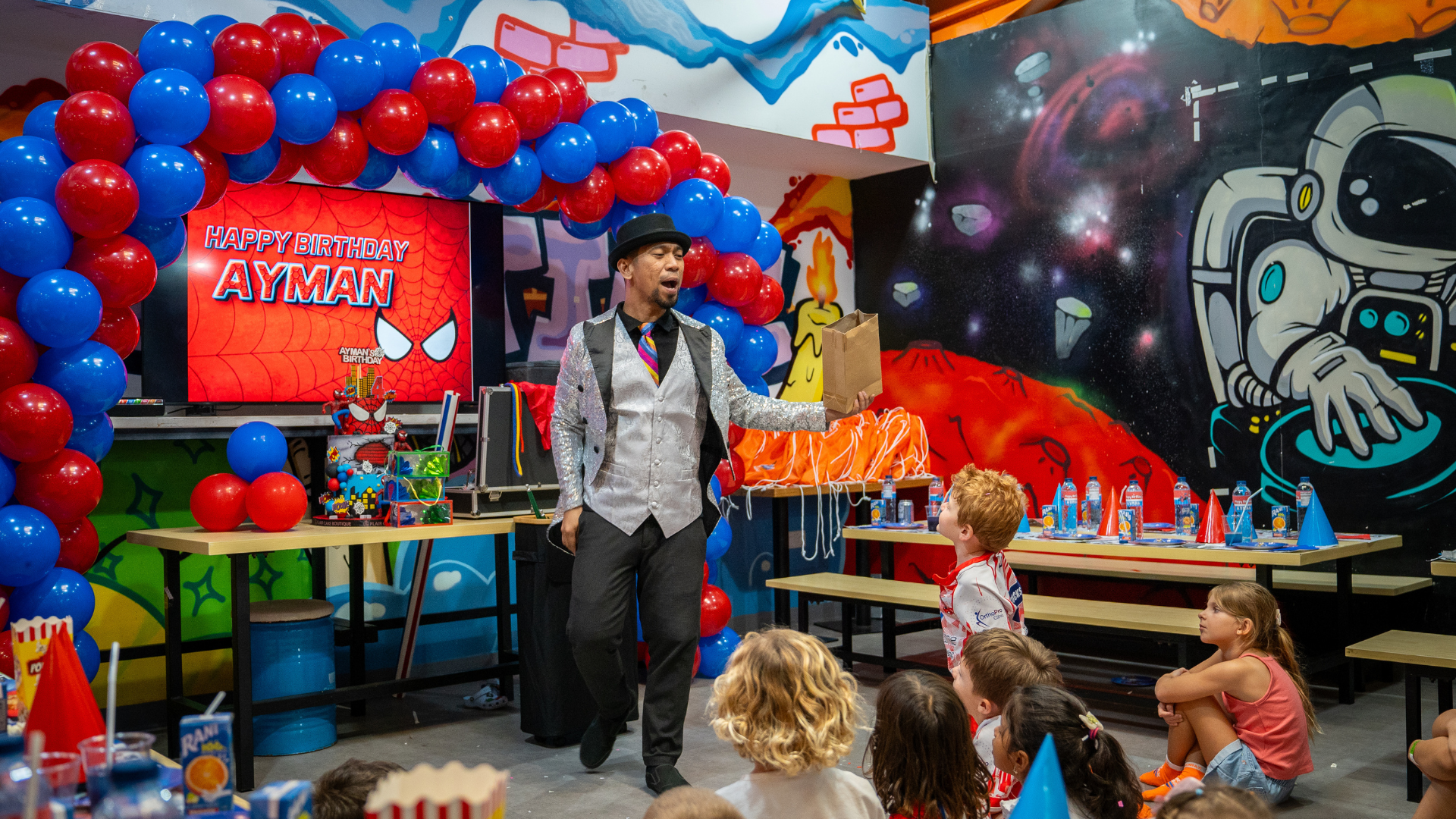
The work is fast-paced and hands-on. Students may be hosting birthday parties, checking in customers, supporting busy front-of-house teams or helping manage the weekend rush.
For Riyaz Suterwalla, co-founder of Air Maniax and Street Maniax, the value of employing students goes well beyond filling shifts.
“There is a very natural alignment. Our busiest periods are weekends, school holidays and public holidays, which are precisely the times students are most likely to be available. But the real value lies in giving young people meaningful exposure to the workplace at an age when it can have a genuine impact on their development.”

For Suterwalla, that exposure matters because the workplace teaches lessons that are difficult to replicate in a classroom.
“Education provides knowledge and structure. Work introduces accountability. You begin to understand that your contribution affects colleagues, customers and the wider business. That is an important shift in mindset.”
He also believes early work experience can be particularly valuable in a country where many young people grow up in comfortable circumstances.
“Many young people in the UAE grow up in fortunate circumstances, but that can make early exposure to the workplace even more valuable. Work builds resilience, independence and grit. It teaches you to stand on your own two feet, to be accountable for your actions and to understand that success is something you earn rather than something that is simply provided.”
That sense of accountability quickly becomes real.
If a student is due to host a birthday party and fails to arrive, the impact is immediate. Another team member has to step in, the operation comes under pressure and the customer experience can suffer.
“Young people quickly learn that being dependable is not an abstract quality. In a working environment, other people are relying on you. That lesson tends to stay with them.”

For Suterwalla, however, exposure to work is only part of the equation. The quality of guidance young people receive can be just as important.
“The other critical element is mentorship. A young person’s first experience of work can shape how they approach their entire career, so having somebody who sets standards, gives honest feedback and takes a genuine interest in their development matters enormously. I was fortunate to have strong mentors early in my own career, and they had a profound influence on the way I developed professionally. I believe employers have a responsibility to provide that same guidance to the next generation.”
At Air Maniax and Street Maniax, that means students are not simply given shifts. They are coached, challenged and encouraged to improve.
Youth career counsellor Maria Vitoratos says a first job often gives young people the chance to apply skills they have already begun developing at school, but in a setting where they are expected to think and act more independently.
One example is Roshan, who joined Air Maniax while at university.
She began as a part-time party host, dealing with children, parents and the inevitable challenges of a busy customer-facing environment. Over time, she became more confident, more assured and increasingly comfortable handling difficult conversations.
She later moved into a full-time reception role.
Suterwalla says the change has been striking.
“When Roshan joined us, she was very quiet and lacked confidence in customer-facing situations. Today, she is one of our strongest performers in both sales and party hosting. Watching that progression has been immensely rewarding.”
For him, that is the real value of giving younger people an opportunity.
“You are not simply giving somebody a job. You are giving them the opportunity to develop confidence, commercial awareness, resilience and personal responsibility. Those are qualities that remain valuable long after the shift has finished.”
Then there is the pay cheque.
Roshan remembers feeling as though she could “conquer the world” when she received her first one. She put part of it towards her university tuition and, following a family tradition, used some of it to take her family out for dinner.
That sense of independence is difficult to replicate.
A first job teaches you what an eight-hour shift feels like. It teaches you that customers can be demanding, that colleagues depend on you and that earning your own money carries a very different sense of value from simply being given it.
More importantly, it gives young people the chance to build confidence, independence and grit before they enter the workplace full-time.
For many, it is the first real step towards standing on their own two feet.
