
The role of the teacher in the age of AI
AI is changing education very quickly, but for me, the biggest question is not really what technology can do. It is what children still need to learn to do for themselves.
Students can now ask a tool to generate ideas, explain a concept, write something, create an image or suggest a solution almost instantly. That changes things. Knowing the answer is still important, of course, but I think knowing what to do with the answer is becoming even more important.
Can a student question what they are given? Can they recognize when something does not make sense? Can they choose between several ideas and explain why one is stronger? Can they make connections, change direction or take a risk?
These are the things I find myself thinking about more and more.
In creative subjects, this is very easy to see. A student can now generate ten or twenty visual ideas in a few minutes. That can be useful. It can help them get started, especially when they are stuck. But generating ideas is not the same as developing one properly.
The slower part still matters.
A student may have ten ideas on a screen before they have even picked up a pencil, but the real learning often happens afterwards, when something does not work and they have to decide what to do next.
They still need to experiment, make mistakes, refine, start again, listen to feedback and sometimes accept that the first idea was not the best one.
I do not mind students using AI to help generate ideas. What I care about is what happens next.
Can they explain why they chose that direction? Can they change it? Can they challenge what was generated? Can they connect it to something personal? Can they take an idea and make it genuinely theirs?
That is where the learning happens.
I also think students are growing up with a very different relationship with speed. Information appears instantly. Images appear instantly. Answers appear instantly.
In the classroom, I sometimes see how difficult it can be for students to sit with uncertainty or with a task that does not give them an immediate result.
Creative work is very good at challenging that.
A painting takes time. A ceramic piece may fail. A design may need to be rebuilt. An idea may look much better in your head than it does on paper.
And that is okay.
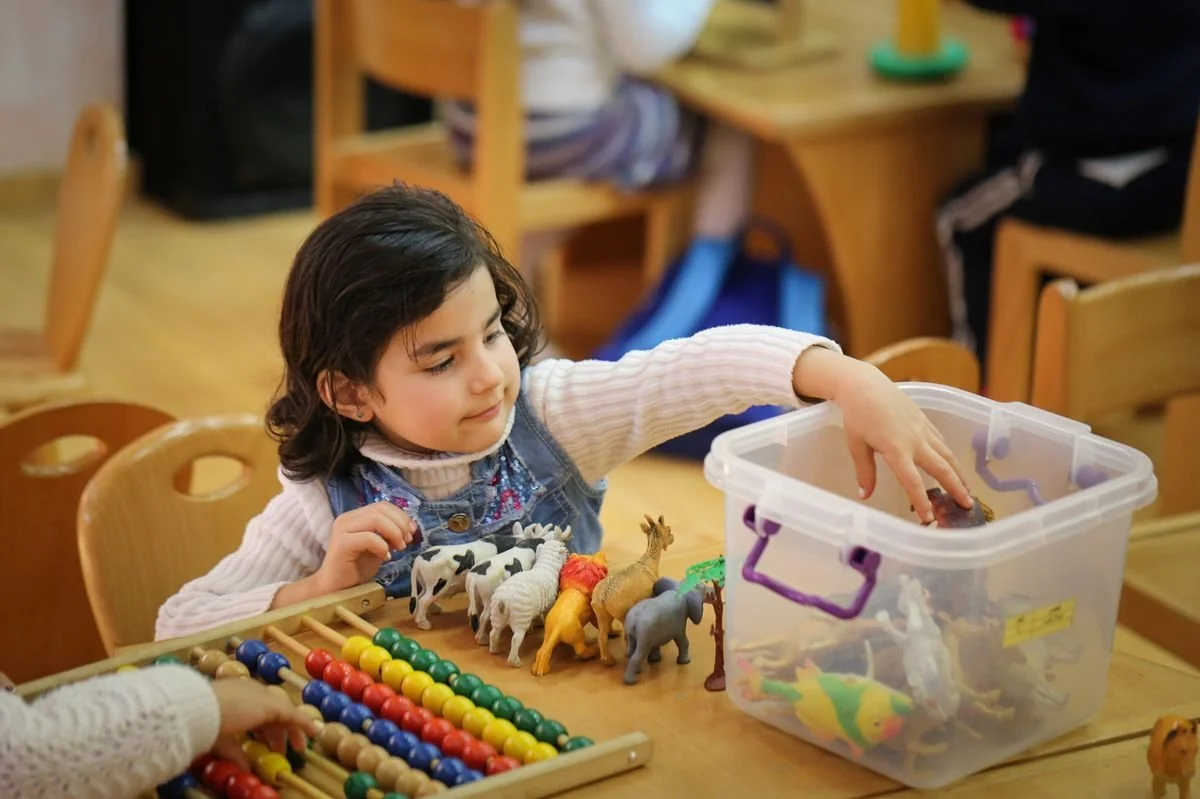
Students need those moments where they have to adjust, persist, problem-solve and deal with frustration. I think those experiences matter more now, not less.
And then there is the human side, which I think we sometimes forget when we talk about AI.
Children still need to learn how to listen to another person, work with someone who thinks differently, read a situation, communicate, disagree respectfully, show empathy and build relationships.
Technology can support many things, but it cannot replace human connection.
That is why I think the role of the teacher becomes even more important.
A teacher is not only there to deliver information. We model how to communicate, how to respond when something goes wrong, how to deal with frustration, how to collaborate, how to listen and how to treat other people.
In many ways, we are constantly teaching students how to be human, whether that is written in the curriculum or not.
And I really believe the connection a teacher builds with a student can completely change the way that child experiences learning.
We all know students who start to enjoy a subject because they connect with the teacher. Sometimes they choose a subject because of the teacher. Sometimes a child who thinks they are not “good at art” starts taking risks because they feel comfortable in that classroom.
That emotional part matters.
Feeling seen, understood and encouraged affects how willing a student is to ask questions, try something difficult or keep going when things are not working.
I think we sometimes underestimate that because it is difficult to measure.
For me, the classroom therefore needs to remain a place where students feel safe enough to be curious and safe enough to be wrong.
Creativity does not develop very well when students are afraid of making mistakes. Neither does critical thinking.
If we want students to ask better questions, explore ideas and learn how to deal with uncertainty, then they need some space where the answer is not immediately given to them.
The teacher's role becomes less about being the person who has all the answers and more about being the person who knows which questions to ask.
Sometimes we need to teach directly. Sometimes we need to guide. And sometimes the best thing we can do is step back and say, “Why did you choose that?” or “What could you try differently?”
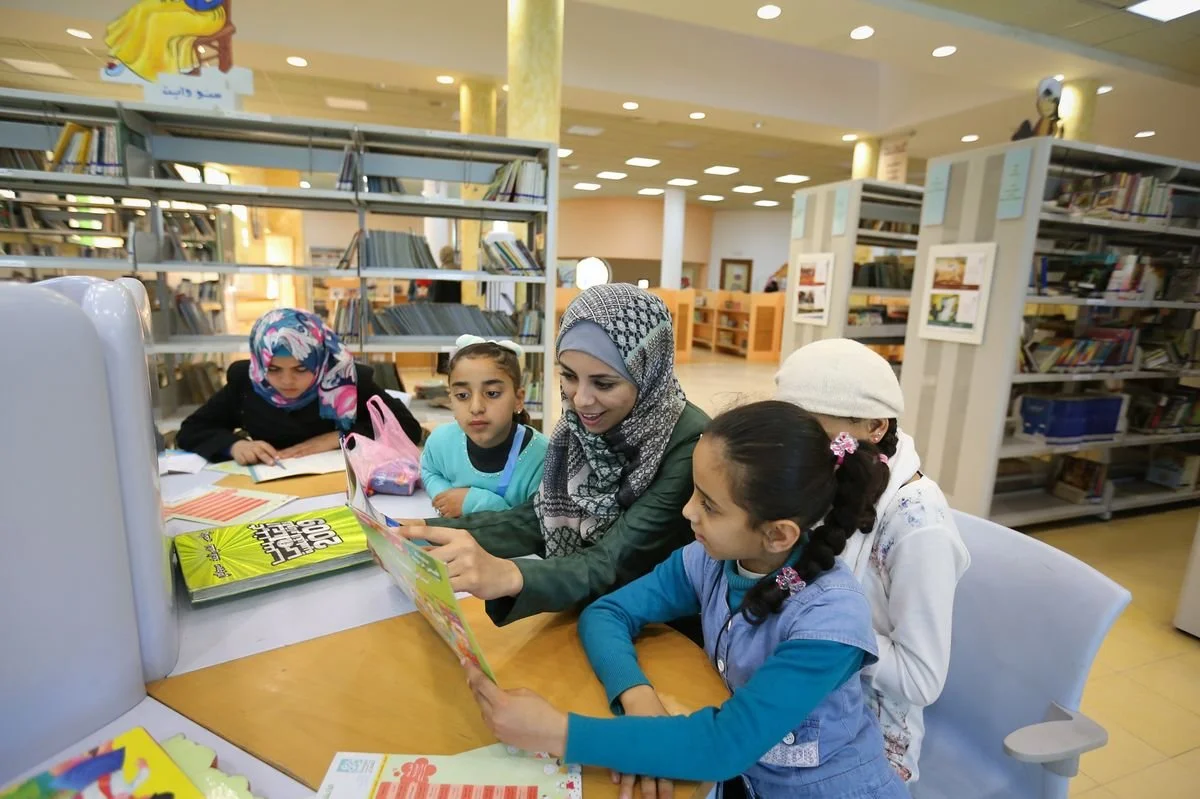
I also think teachers need to model how technology should be used rather than simply trying to keep it out of the classroom.
AI is already part of the world our students are growing into. They need to understand when it is useful, when it is limiting their thinking, when to question it and when it is better to put the device down and work something out for themselves.
In creative subjects, students already move quite naturally between digital and physical ways of working. They might research online, use digital tools to explore an idea, and then move into drawing, painting, ceramics, design or another hands-on process.
For me, the important part is that technology supports their thinking rather than replacing it.
I do not think teachers need to compete with AI. We will never be faster than a search engine or a generative tool, and that is not really our job.
Our job is to help students become thoughtful, curious, independent and emotionally intelligent people who know how to use these tools without allowing the tools to do all the thinking for them.
And maybe that is the part that becomes even more important as technology develops: reminding students that learning is still a human experience.

Alina Nistor is the Arts & Innovation Lead K–12 at Universal American School in Dubai, where she works across year groups to champion creativity, visual arts and innovative approaches to learning. An educator and researcher, she has also explored how actionable feedback can improve student performance and engagement in visual arts, reflecting her focus on helping young people develop both their creative confidence and skills.