
Let Them Try
By Mohammad Al Shehhi (Shaheen)
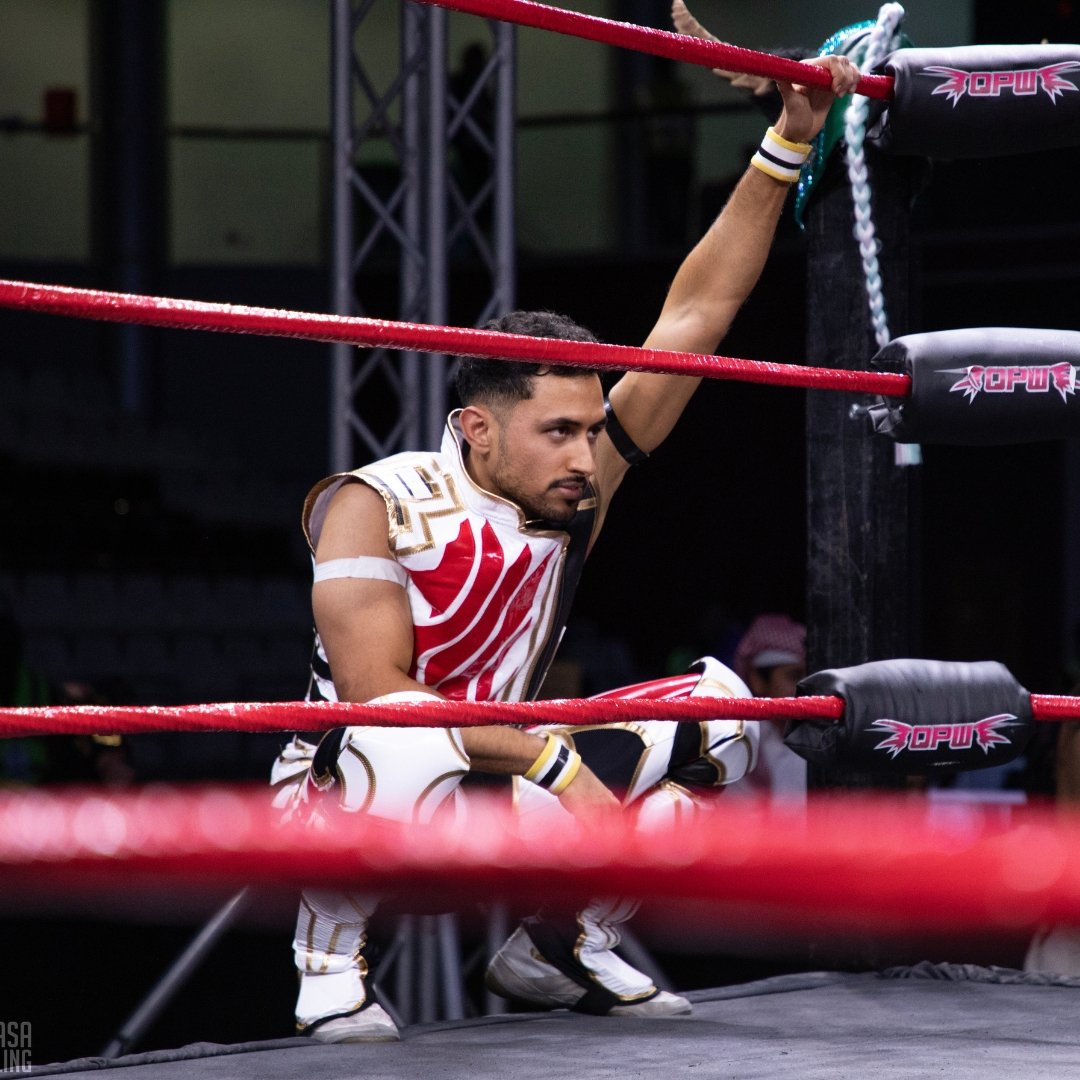
Whenever a parent tells me their child has started jumping off the sofa, I have two thoughts. The first is: please, stop jumping off the sofa. The second is: bring them to us.
By the time a parent messages me, the cushions are usually already on the floor, a younger sibling has been cast in a role he never auditioned for, and somebody has said the sentence out loud in the living room. "I want to try wrestling."
And the honest first reaction, for most parents, is no.
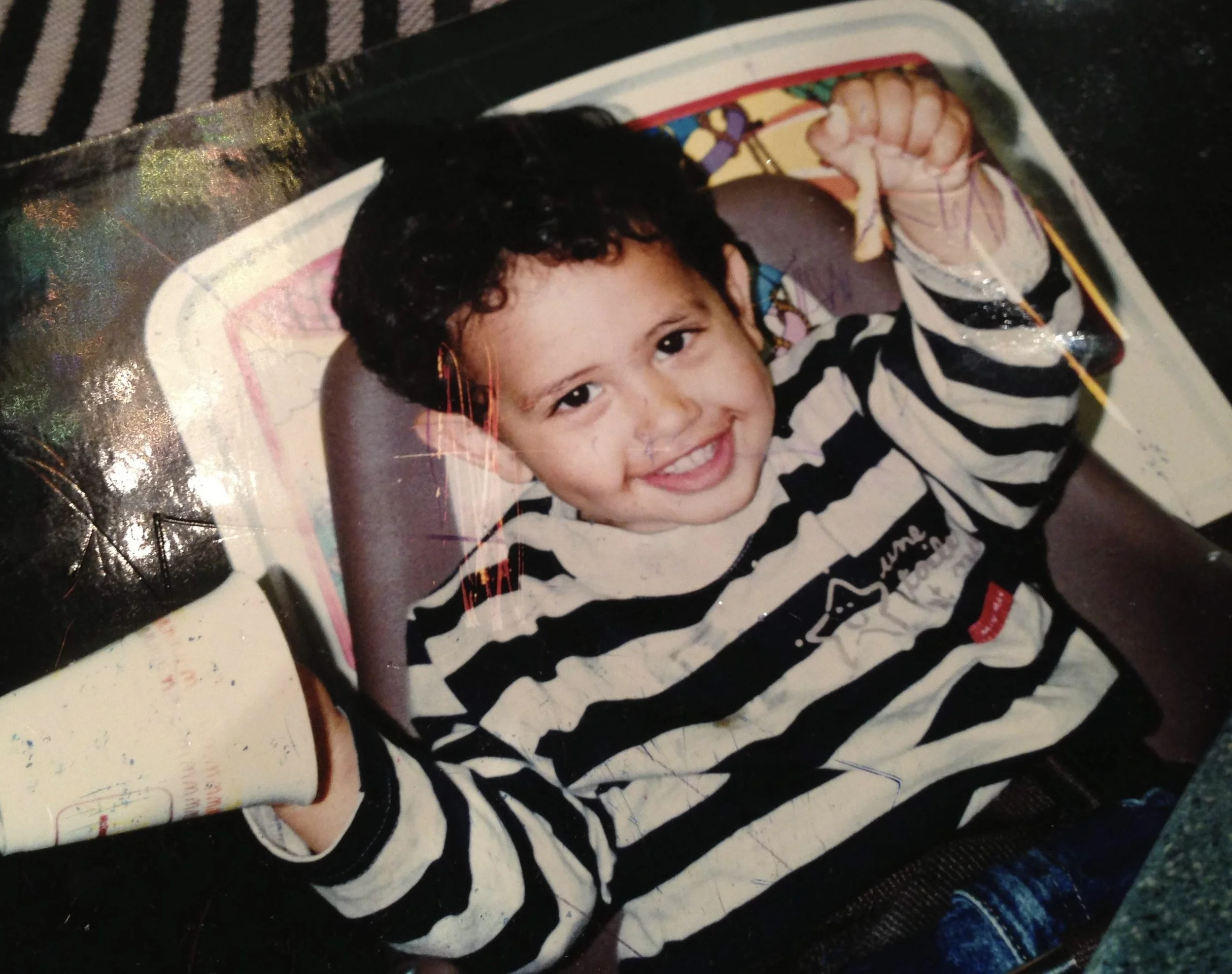
I understand that reaction. My mother had it too, and she wasn't wrong to have it. What a child sees on television is built to look dangerous. Looking dangerous is the entire job. But what happens on a screen and what happens in a warehouse in Dubai on a weekday afternoon are two different worlds. One is a spectacle. The other is a room full of children and ambitious people learning, slowly and with a lot of correction, how to be brave on purpose.
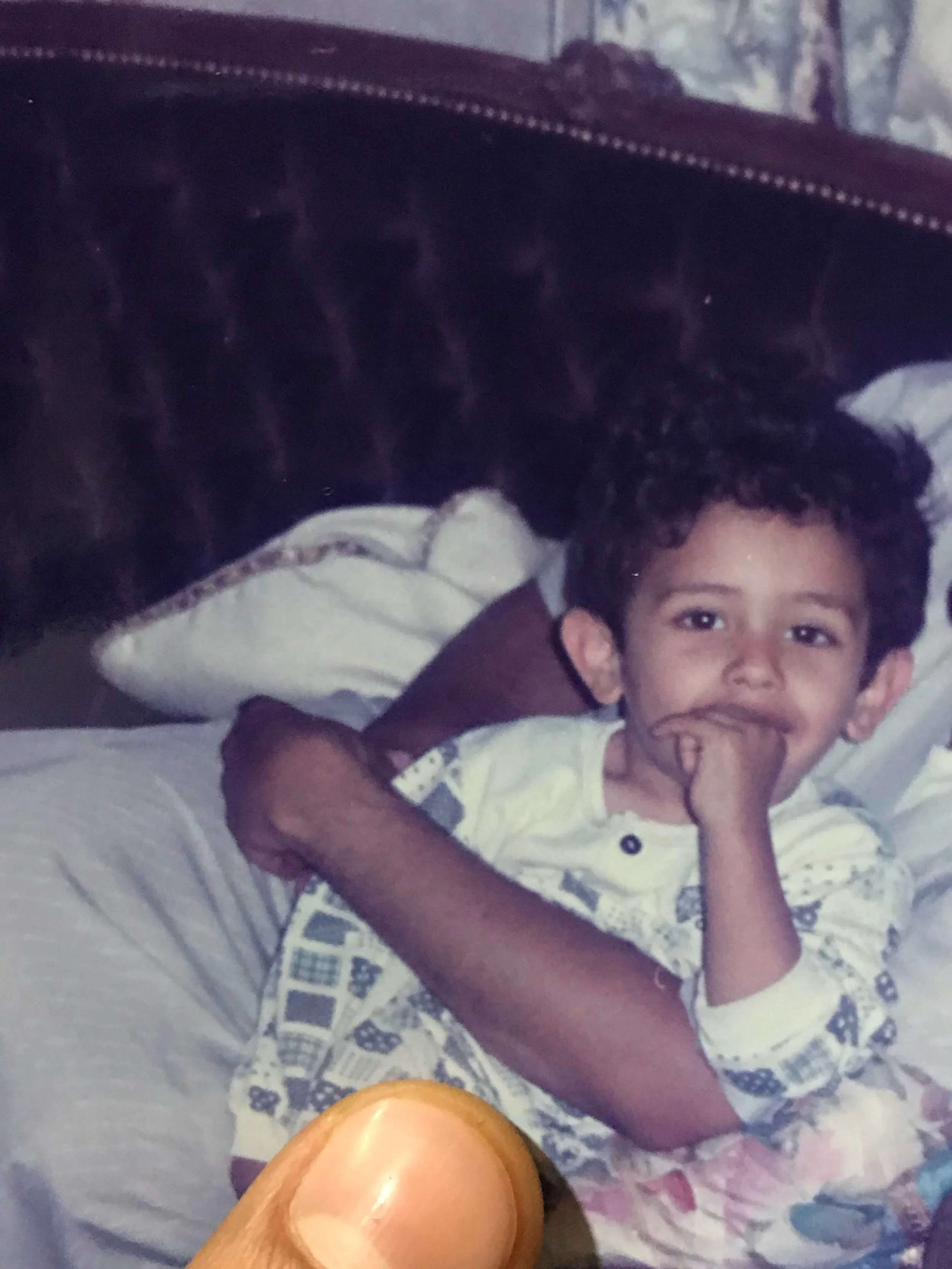
We are not trying to take the wildness out of your child. We are trying to give it somewhere to
go. Think about how much of a child's day is spent being asked to shrink. Lower your voice. Sit still. Stop climbing that. Then they walk into a room where the instruction is the opposite: be loud here, be big here, be dramatic here: on the mat, when the coach says so, with a partner who has agreed to it, and not one second before. Children understand that bargain faster than adults expect them to. They learn that they are allowed to be enormous, so long as they can also be still. That is self-regulation, learned in the one place where the reward for holding back is being allowed to let go.
The discipline is what makes the expression safe. And the expression is what makes the discipline worth having.
Then there is the part nobody markets, which is the part I value most: your child will be bad at this. Genuinely, visibly bad, in front of people, for a while. They will not get the movement right the first time, or the tenth. The first time the room stops to watch them, they will freeze. And then Thursday comes around and they try it again. A child who learns that struggling is not the same as failing has been handed something that will outlast anything they ever do in a ring. It goes with them into exam halls, interviews, first days, every room they will ever walk into cold.
There is something else in choosing wrestling specifically, and I don't think it gets said enough. Nobody's cousin did this. There is no established route, no older sibling's kit to inherit, no set of expectations already waiting for them. When a child picks something that isn't on the list, theyfind out early that a life can be assembled out of things nobody handed you. That lesson is bigger than the sport. It's the reason I'd rather a child tried something unusual and walked away than never tried at all.
A boy called Conor used to come to our shows and sit through the entire event without cheering once. Not shy exactly. Just unwilling to be noticed. One day he decided to train. First one partner. Then a room. Then a small show in front of a few dozen people. Today he leads musicals at his school.
I'm not going to claim wrestling did that on its own, and I won't pretend it works for every child. Some students discover after a month that they don't enjoy it, and that is a perfectly good outcome. They found out by doing something instead of watching something, which is more than most screens will ever offer them.
So when your child asks, don't close the door in the first ten seconds. Go and look. Watch a full class. Watch how the coaches speak to a child who gets something wrong in front of everybody, because that tells you more about a school than any trophy on the wall. And if what you see is structured, supervised and right for their age, give it a month.
The first thing that changes probably won't be their strength.
It'll be who they are when the room is watching.
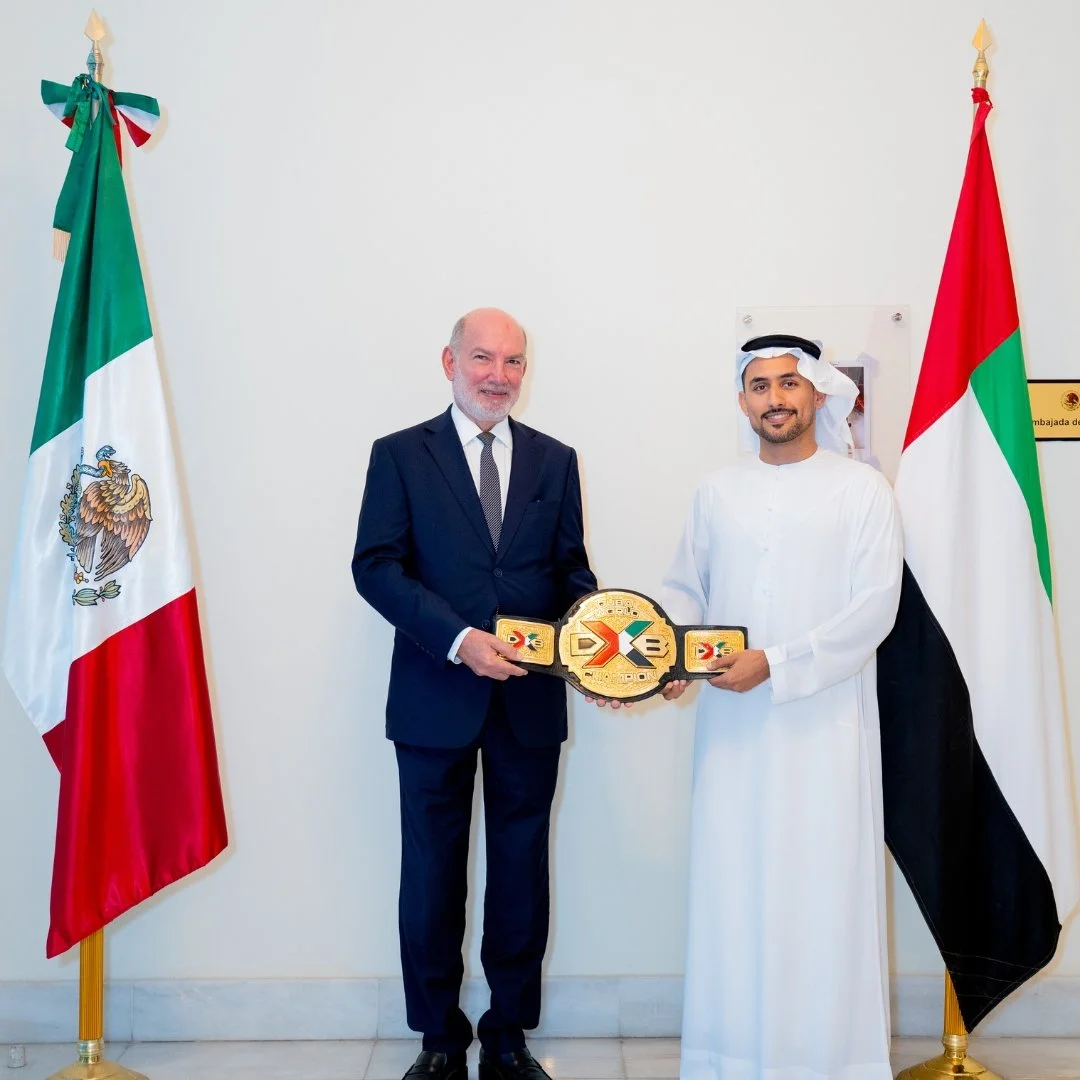
Mohammad Al Shehhi, known in the ring as Shaheen, is an Emirati professional wrestler, coach and the founder of WrestleFest. He is the first Arab wrestler to train and compete in 5 continents, and has competed in more than 20 countries. He now spends most of his week coaching in Dubai, where he works with students from beginners to professionals, and is focused on building wrestling in the UAE safely, properly and for the long term.